
Have you just left the dental office after a root canal and aren’t sure what to do to recover quickly? It’s completely normal to have questions about what to eat, what medications to take, or which care tips to follow to avoid complications. The good news is that with a few simple recommendations, your recovery can be smoother and more effective.
Think of your tooth as a newly renovated house: it’s reinforced, clean, and ready to keep working, but it needs some care before welcoming guests. The same goes for your root canal treatment: the first few days are crucial to protect it and ensure your smile shines again—pain-free.
In this article, you’ll discover what you can eat after a root canal, which medications are usually recommended, and the essential care tips that will make a difference in your recovery.

Why is post–root canal care important?
A root canal, also known as endodontic treatment, is performed to save a damaged tooth by removing the infected dental pulp. Although the procedure is usually successful and pain disappears, the treated tooth may feel sensitive for a few days.
Following the right recommendations helps to:
- Prevent infections
- Reduce pain and inflammation
- Support healing
- Increase the durability of the treatment
In short: taking care of your root canal means protecting your investment in dental health.
What can I eat after a root canal?
This is one of the most common questions. The key is to choose foods that don’t require much chewing effort and won’t cause discomfort in the treated area.
Recommended foods after a root canal
Choose soft, easy-to-chew meals that aren’t too hot or too cold:
- Mashed potatoes or sweet potatoes
- Plain or Greek yogurt
- Soups and creams (warm, not boiling)
- Fruit purées or applesauce (such as apple or banana)
- Scrambled or boiled eggs
- Gelatin or flan
- Soft fish, steamed or baked
👉 Tip: Chew on the opposite side of the treated tooth to avoid unnecessary pressure.
Foods to avoid, At least during the first 2–3 days, avoid:
- Tough or fibrous meats
- Seeds, nuts, and crunchy foods
- Gum or sticky candies
- Very cold or very hot drinks
- Spicy foods that may irritate the area
Medications after a root canal
Your dentist may prescribe specific medications to help with pain and recovery.
The most common are:
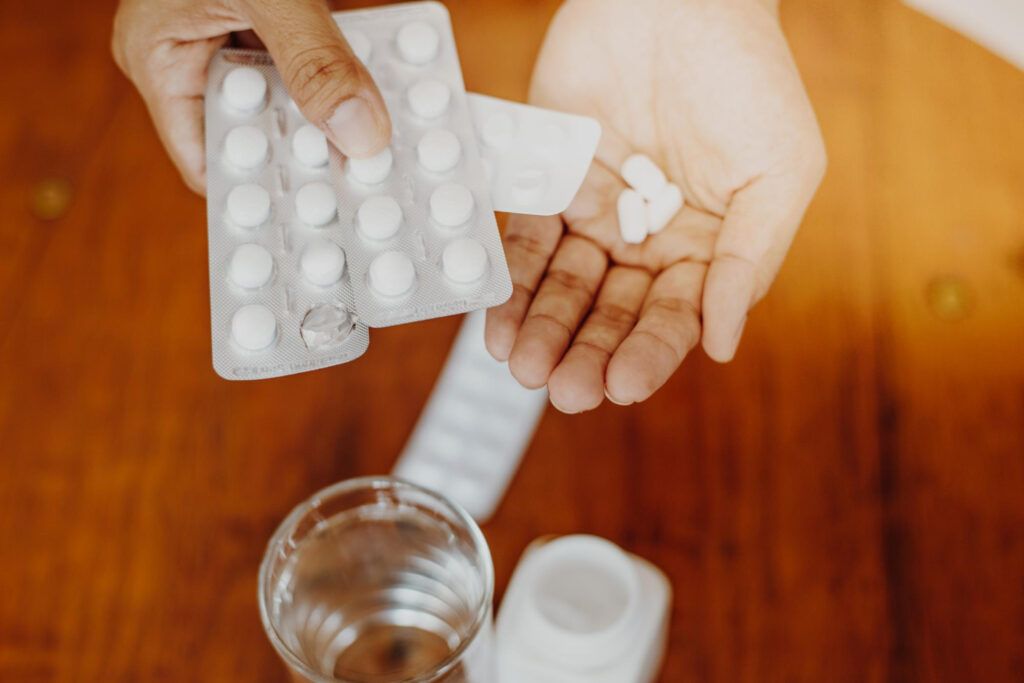
- Pain relievers or anti-inflammatories such as ibuprofen or acetaminophen, to manage discomfort.
- Antibiotics (only if your dentist considers them necessary) to prevent infections. The most common prescription is amoxicillin (with or without clavulanic acid). For patients allergic to penicillin, alternatives such as clindamycin, azithromycin, or clarithromycin are used. These are usually prescribed when there are systemic signs of infection (such as fever) or when the treatment is performed in patients with medical conditions that increase infection risk, like weakened immune systems or heart prostheses.
⚠️ Important: never self-medicate. Always follow the dosage and duration recommended by your dentist.
Other essential care tips after a root canal
Besides diet and medications, there are additional habits that help protect your treated tooth:
1. Maintain good oral hygiene
Brush your teeth gently with a soft-bristled toothbrush. Use alcohol-free mouthwash to avoid irritation. Don’t forget dental floss, but be careful around the treated area.
2. Get enough rest
Rest helps your body recover. Avoid intense physical activity during the first 24 hours if possible.
3. Avoid chewing hard objects
Until your dentist places the final crown, the treated tooth may be fragile. Don’t bite ice, pens, or hard foods.
4. Attend follow-up appointments
Your endodontist will check that the area is healing correctly and decide if your tooth needs reinforcement with a crown.
Frequently asked questions about post–root canal care
1. How long does pain last after a root canal?
It’s normal to feel sensitivity for 2–5 days. If the pain increases instead of decreasing, contact your dentist.
2. Can I eat right after a root canal?
It’s best to wait until the anesthesia wears off to avoid accidentally biting your tongue or cheek.
3. What happens if I don’t follow the care instructions?
You may experience pain, swelling, tooth fractures, or even the need to repeat the treatment.
4. Can I smoke after a root canal?
It’s best to avoid it. Smoking delays healing and increases the risk of complications.
A root canal is a procedure that restores health and functionality to your tooth, but its success depends largely on post-treatment care. Choosing soft foods, taking the prescribed medications, and maintaining good oral hygiene are key steps to a smooth recovery.
Remember: every small care today is a big investment in your smile tomorrow.