
Choosing a dental clinic today is no longer just about location or availability. Modern patients are increasingly aware that technology plays a decisive role in the quality, precision, and comfort of dental treatments. From advanced diagnostics to minimally invasive procedures, innovation has transformed the way dentistry is practiced and experienced.
Understanding how modern dental equipment, innovation in dental clinics, and advanced dental diagnostics influence treatment outcomes can help patients make informed decisions about their oral health. Technology doesn’t replace the dentist’s expertise—it enhances it, allowing for safer, more predictable, and more personalized care.
In this article, we’ll explore how technology elevates dental treatments, why modern clinics stand out, and how innovation directly impacts patient confidence, comfort, and long-term results.
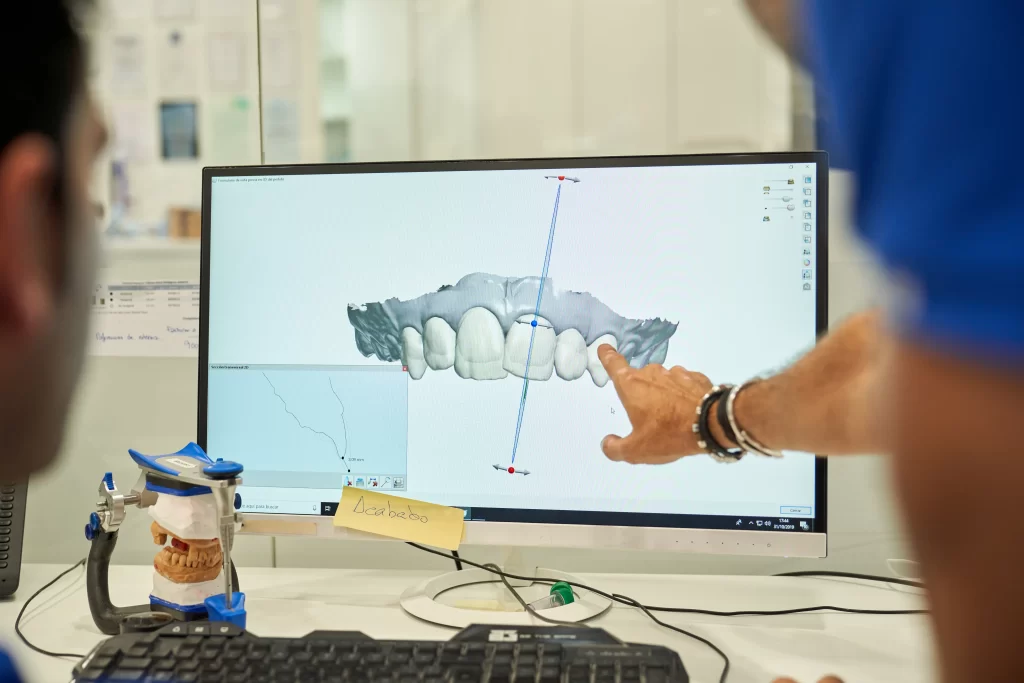
The Evolution of Technology in Modern Dental Clinics
Dentistry has undergone a remarkable transformation over the past few decades. What was once limited to basic tools and manual techniques has evolved into a highly digital, precision-driven field.
Modern dental clinics now integrate technology into nearly every stage of care, from diagnosis to treatment planning and execution.
From Traditional Tools to Digital Dentistry
In the past, dentists relied heavily on visual examinations and manual impressions. Today, advanced equipment allows professionals to:
- Detect issues earlier
- Plan treatments with greater accuracy
- Reduce human error
- Improve patient comfort
This shift toward digital dentistry has set new standards for quality and efficiency in dental care.
Why Modern Dental Equipment Improves Treatment Quality
One of the most significant advantages of technology in dentistry is its impact on treatment quality. Modern dental equipment enables dentists to deliver care that is more precise, predictable, and conservative.
Greater Precision and Accuracy
Advanced tools allow dentists to work with microscopic detail. Precision leads to:
- Better-fitting restorations
- Reduced treatment time
- Less discomfort for patients
- Longer-lasting results
Accuracy is especially important in procedures such as crowns, implants, and orthodontics, where even minor deviations can affect outcomes.
Minimally Invasive Approaches
Technology has made it possible to preserve more natural tooth structure. Lasers, digital scanners, and advanced imaging reduce the need for aggressive procedures, leading to:
- Faster recovery times
- Less post-treatment sensitivity
- Improved patient experience
Advanced Dental Diagnostics: Seeing What Was Once Invisible
Accurate diagnosis is the foundation of effective treatment. Advanced dental diagnostics allow dentists to identify problems at their earliest stages—often before symptoms appear.
Digital X-Rays and 3D Imaging
Modern clinics use digital radiography and 3D imaging systems that provide:
- High-resolution images
- Lower radiation exposure
- Immediate results
These tools help dentists detect cavities, bone loss, infections, and structural issues with exceptional clarity.
Intraoral Cameras and Optical Scanners
Intraoral cameras allow patients to see what the dentist sees. This transparency:
- Improves patient understanding
- Builds trust
- Encourages informed decision-making
Optical scanners replace traditional impressions, making the process faster, cleaner, and more comfortable.
Innovation in Dental Clinics: Beyond the Chair
Innovation in dentistry goes beyond equipment—it reshapes the entire patient journey.
Digital Treatment Planning
Modern clinics use digital software to plan treatments step by step. This allows dentists to:
- Simulate outcomes
- Customize treatments to individual needs
- Predict results more accurately
Patients benefit from clearer expectations and greater confidence in the proposed care.
CAD/CAM Technology for Same-Day Restorations
With CAD/CAM systems, clinics can design and fabricate crowns, veneers, and inlays in a single visit. This innovation:
- Eliminates temporary restorations
- Reduces appointment frequency
- Improves precision and aesthetics
Efficiency and quality go hand in hand when technology is properly integrated.
How Technology Enhances Patient Comfort and Confidence
Dental anxiety is common, but modern technology has significantly improved patient comfort.
Shorter and More Comfortable Appointments
Advanced tools reduce procedure time and invasiveness. Patients experience:
- Less discomfort
- Shorter chair time
- Faster healing
Comfort-focused technology helps transform dental visits into more positive experiences.
Better Communication and Transparency
Technology allows dentists to explain diagnoses visually and clearly. When patients understand their treatment, they feel more confident and engaged in their care.
Technology and Preventive Dentistry
Preventive care is one of the greatest beneficiaries of innovation in dental clinics.
Early Detection Saves Teeth
Advanced diagnostic tools can identify:
- Micro-cavities
- Early gum disease
- Structural weaknesses
Early intervention prevents minor issues from becoming major problems, supporting long-term oral health.
Personalized Preventive Plans
Technology enables dentists to analyze individual risk factors and create customized prevention strategies. This tailored approach improves outcomes and supports healthier smiles over time.
The Role of Technology in Complex Dental Treatments
For advanced procedures, technology is not just beneficial—it’s essential.
Dental Implants and Surgical Precision
3D imaging and guided surgery systems allow for precise implant placement. Benefits include:
- Improved stability
- Reduced surgical risk
- Faster recovery
Precision technology enhances safety and long-term success.
Orthodontics and Digital Alignment
Modern orthodontics relies heavily on digital planning. Clear aligners and digital simulations:
- Improve predictability
- Increase comfort
- Shorten treatment time
Patients can visualize progress before treatment even begins.
Choosing a Dental Clinic That Invests in Innovation
Not all dental clinics are created equal. A clinic that prioritizes technology demonstrates a commitment to quality, safety, and patient-centered care.
When evaluating a clinic, consider:
- The use of modern diagnostic tools
- Digital treatment planning capabilities
- Investment in ongoing innovation
- Emphasis on comfort and precision
Technology reflects a clinic’s dedication to delivering the best possible outcomes.
Technology and the Future of Dentistry
Dentistry continues to evolve at a rapid pace. Artificial intelligence, digital workflows, and smart diagnostics are shaping the future of oral healthcare.
Patients who choose technologically advanced clinics benefit from:
- Continuous improvements in care
- Safer and more efficient treatments
- Higher standards of quality
Innovation ensures dentistry keeps pace with modern expectations and medical advancements.
Technology as a Cornerstone of Quality Dental Care
The relationship between dental clinics and technology is no longer optional—it is fundamental. Modern dental equipment, innovation in dental clinics, and advanced dental diagnostics directly influence treatment quality, patient comfort, and long-term success.
Technology empowers dentists to deliver precise, minimally invasive, and highly personalized care. For patients, it means better experiences, clearer communication, and greater confidence in every procedure.