
Taking care of your teeth goes far beyond brushing and flossing every day. While good daily habits are essential, regular dental checkups play a decisive role in protecting your oral health and preventing problems before they become serious, painful, and costly. Many people only visit the dentist when discomfort appears, but by then, the issue has often progressed further than necessary.
Understanding the importance of going to the dentist regularly, knowing how often you should schedule dental visits, and recognizing the value of preventive dental care can completely change the way you experience oral health throughout your life.
In this article, we’ll explore why routine dental visits matter, how they help prevent major issues, and how making them part of your wellness routine can positively impact not only your smile but your overall health.
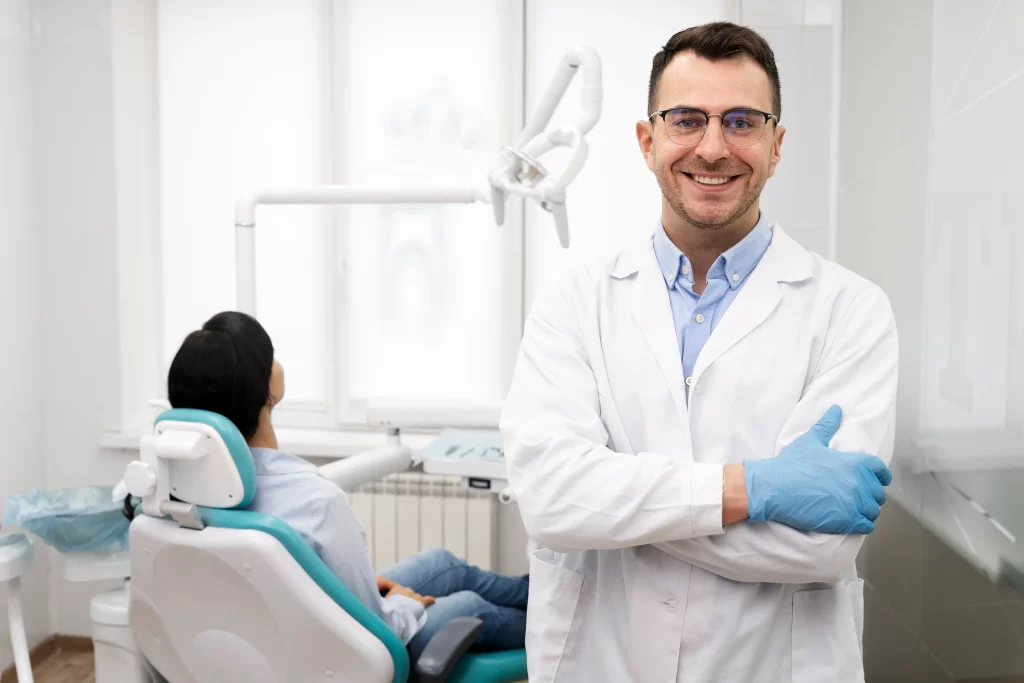
Why Regular Dental Checkups Matter More Than You Think
For many patients, dental visits are seen as reactive rather than preventive. However, modern dentistry is designed to identify risks early and maintain oral health long before symptoms arise.
Regular dental checkups allow professionals to evaluate your teeth, gums, jaw, and oral tissues in a way that simply isn’t possible at home. Even the most diligent brushing routine can’t replace the trained eye of a dentist.
Prevention Is Always Better Than Treatment
One of the core benefits of routine dental visits is prevention. Small issues such as early cavities, mild gum inflammation, or subtle bite problems can be addressed quickly and conservatively when detected early.
Without regular checkups, these minor concerns can evolve into:
- Advanced tooth decay
- Gum disease
- Tooth loss
- Infections
- Complex restorative treatments
Preventive dental care focuses on preserving what you already have, reducing risks, and ensuring long-term oral health stability.
How Often Should You Go to the Dentist?
One of the most frequently asked questions is: how often should I go to the dentist? While the general recommendation is every six months, the ideal frequency depends on individual needs.
Standard Recommendation: Every Six Months
For most people, visiting the dentist twice a year is enough to:
- Detect early signs of cavities
- Monitor gum health
- Perform professional cleanings
- Identify changes in oral tissues
These visits create a consistent record of your oral health, allowing your dentist to notice patterns or changes over time.
When More Frequent Visits Are Necessary
Some patients benefit from more frequent dental checkups, including:
- Individuals with gum disease
- Patients with a history of frequent cavities
- Smokers
- People with diabetes or immune conditions
- Orthodontic or implant patients
In these cases, dental visits every three or four months may be recommended to maintain optimal oral health and prevent complications.
The Role of Dental Checkups in Preventive Oral Health Care
Preventive dentistry is the foundation of a healthy smile. Regular dental visits are not just about fixing problems—they are about avoiding them altogether.
Professional Cleanings Go Beyond Daily Brushing
Even with excellent oral hygiene, plaque and tartar can build up in hard-to-reach areas. Professional dental cleanings:
- Remove hardened tartar
- Reduce the risk of cavities
- Prevent gum inflammation
- Improve breath freshness
This deep cleaning process supports gum health and helps maintain a clean, balanced oral environment.
Early Detection of Gum Disease
Gum disease often develops silently. In its early stages, it may cause little to no discomfort, making it easy to ignore. During regular dental checkups, dentists assess:
- Gum color and texture
- Bleeding or inflammation
- Pocket depth around teeth
Detecting gum disease early allows for conservative treatment and helps prevent progression to advanced stages that can lead to tooth loss.
Preventing Major Dental Problems Before They Start
Many serious oral health issues don’t happen overnight. They develop gradually, often without obvious symptoms.
Cavities and Tooth Decay
Small cavities are often painless. Without regular dental exams, they can go unnoticed until they reach deeper layers of the tooth, requiring more complex treatment. Early detection helps preserve tooth structure and avoid discomfort.
Oral Infections and Abscesses
Untreated dental issues can lead to infections that affect surrounding tissues and even spread beyond the mouth. Routine dental visits help identify warning signs before infections become severe.
Bite and Jaw Issues
Dental checkups also include evaluating how your teeth fit together. Bite problems can contribute to:
- Tooth wear
- Jaw pain
- Headaches
- TMJ disorders
Identifying these issues early helps prevent long-term discomfort and functional problems.
The Connection Between Oral Health and Overall Health
Oral health is closely linked to overall wellness. Research continues to show strong connections between dental health and systemic conditions.
How Dental Health Impacts the Body
Poor oral health has been associated with:
- Cardiovascular disease
- Diabetes complications
- Respiratory infections
- Inflammatory conditions
Regular dental checkups help reduce inflammation and bacterial load in the mouth, supporting overall health and well-being.
A Preventive Approach to Whole-Body Wellness
Seeing the dentist regularly is not just about maintaining a smile—it’s part of a holistic approach to health. Preventive dental care supports your immune system and reduces risks beyond the oral cavity.
Dental Anxiety and the Importance of Routine Visits
Many people avoid the dentist due to fear or past experiences. Ironically, skipping regular checkups often leads to more complex treatments later, reinforcing that fear.
Why Consistency Reduces Anxiety
Routine visits tend to be:
- Shorter
- Less invasive
- More predictable
By attending regular dental checkups, patients build familiarity and trust, making each visit more comfortable and stress-free.
Small Visits, Big Confidence
Consistent preventive care helps patients feel more in control of their oral health. Confidence grows when visits are focused on maintenance rather than urgent treatment.
Dental Checkups Across Different Life Stages
Preventive dental care is important at every age, though needs may change over time.
Children and Teenagers
Regular dental visits help:
- Monitor tooth development
- Prevent cavities
- Establish healthy habits early
Early prevention sets the foundation for lifelong oral health.
Adults
For adults, dental checkups focus on:
- Preventing decay and gum disease
- Managing stress-related issues like grinding
- Maintaining restorations and overall function
Older Adults
As we age, dental care becomes even more important. Regular visits help manage:
- Gum recession
- Dry mouth
- Tooth wear
- Oral health changes related to medications
Making Dental Visits Part of Your Routine
The key to benefiting from preventive dental care is consistency. Treating dental checkups as a non-negotiable part of your wellness routine can make a significant difference over time.
Simple habits can help:
- Schedule your next appointment before leaving the clinic
- Align dental visits with other health checkups
- View prevention as an investment in long-term comfort and confidence
Prevention Is the Best Smile Investment You Can Make
The importance of regular dental checkups cannot be overstated. From early detection of issues to professional cleanings and overall health protection, routine dental visits are one of the most effective ways to prevent major oral health problems.
Understanding how often to go to the dentist and embracing preventive dental care empowers you to maintain a healthy, confident smile for years to come.